New Boiler Cost in 2026: Full UK Price Guide
A new boiler costs £1,700 to £6,000 supplied and fitted in the UK, depending on the type, brand, and how much extra work your property needs. A straightforward combi swap on a small property sits at the lower end; a system or regular boiler installation with pipework changes sits higher.
This guide breaks down UK boiler prices by type and brand, the hidden extras that often get left off quotes, and when repair makes more financial sense than replacement. It also compares the true 12-year cost of buying outright against isnuüg's monthly Heating Plans, since the honest answer isn't as simple as either option being cheaper.
Quick Summary
- A new boiler costs £1,700 to £6,000 supplied and fitted, with most straightforward combi swaps landing around £1,800 to £2,500
- Combi, system and regular boilers have different price bands, largely driven by installation complexity rather than the unit itself
- Brand affects both price and warranty length, with premium brands offering up to 12 years' cover through accredited installers
- Buying outright and covering 12 years of servicing comes to roughly £4,000 in total, versus roughly £8,200 for an isnuüg plan over the same period
- Hidden extras like removal, extra pipework and a power flush can add £200 to £800 to a quote that looks cheap upfront
- Repair costs average £300; full replacement averages £4,000, so the decision usually comes down to the boiler's age and the size of the fault
How Much Does a New Boiler Cost in the UK?
Combi boilers typically cost £1,700 to £3,000 fitted, system boilers £2,000 to £3,500, and regular boilers £2,200 to £4,000, largely because of the extra components and labour each type involves.
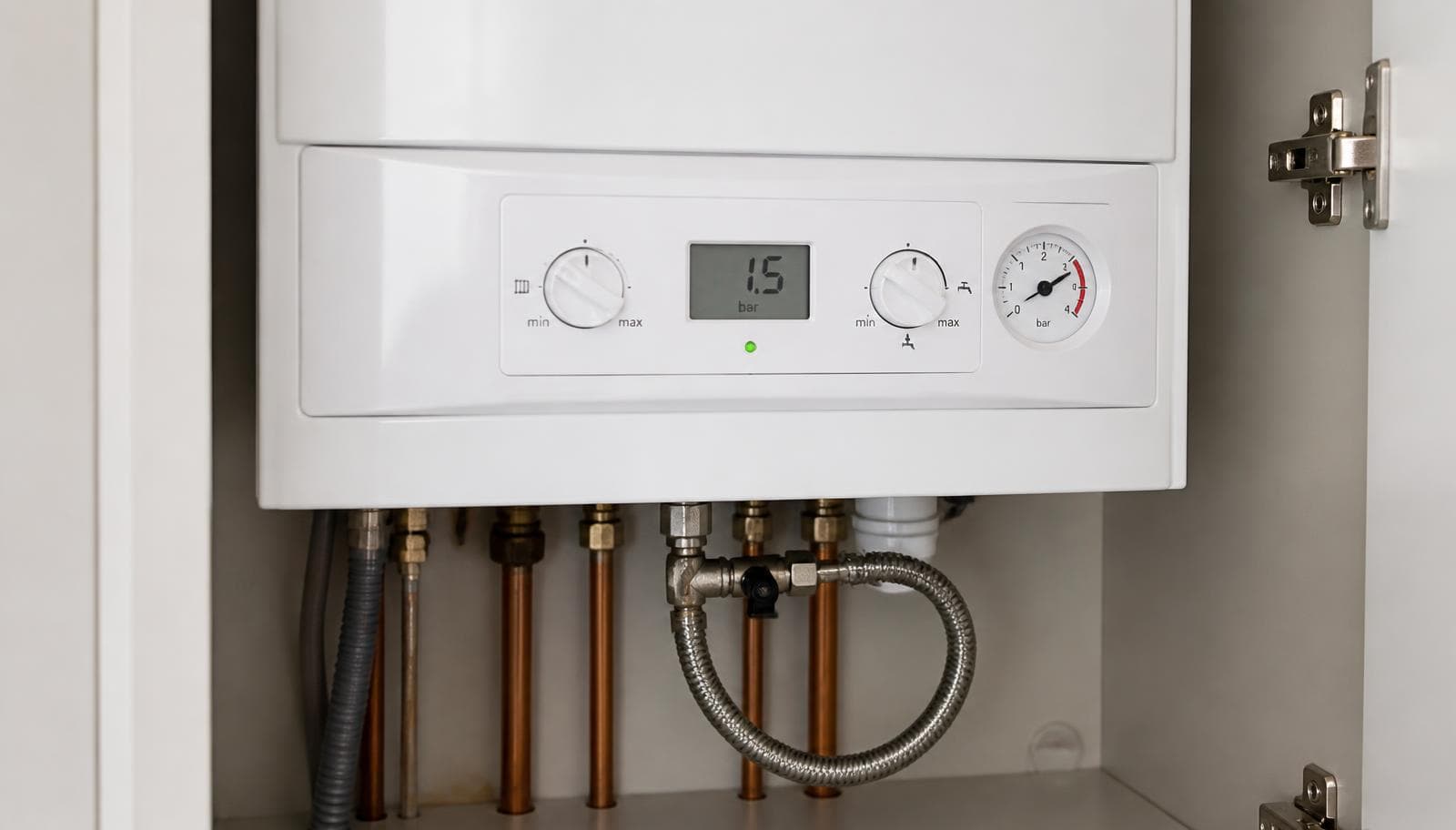
Combi boilers heat water on demand and don't need a separate cylinder or tank, which keeps both the unit cost and installation labour lower. They suit flats and smaller homes with one bathroom, and are by far the most common replacement choice in the UK.
System boilers work with a hot water cylinder but no cold water tank, which suits homes with higher hot water demand such as those with more than one bathroom. The cylinder adds to the material cost, and installation typically takes longer than a straightforward combi swap.
Regular (heat only) boilers need both a cylinder and a loft tank, making them the most expensive type to install new, though they're often kept rather than swapped for a different type since they suit older gravity-fed systems and higher overall hot water use.
- Combi — £1,700 to £3,000 fitted — flats and smaller homes with one bathroom
- System — £2,000 to £3,500 fitted — homes with more than one bathroom
- Regular — £2,200 to £4,000 fitted — older gravity-fed systems, higher hot water demand
What Affects the Price?
Beyond boiler type, the biggest factors are output size, how easy the property is to work in, and how much of the existing system needs upgrading alongside the new unit. Larger homes need a higher kW output, and higher-output models cost more before installation is even factored in.
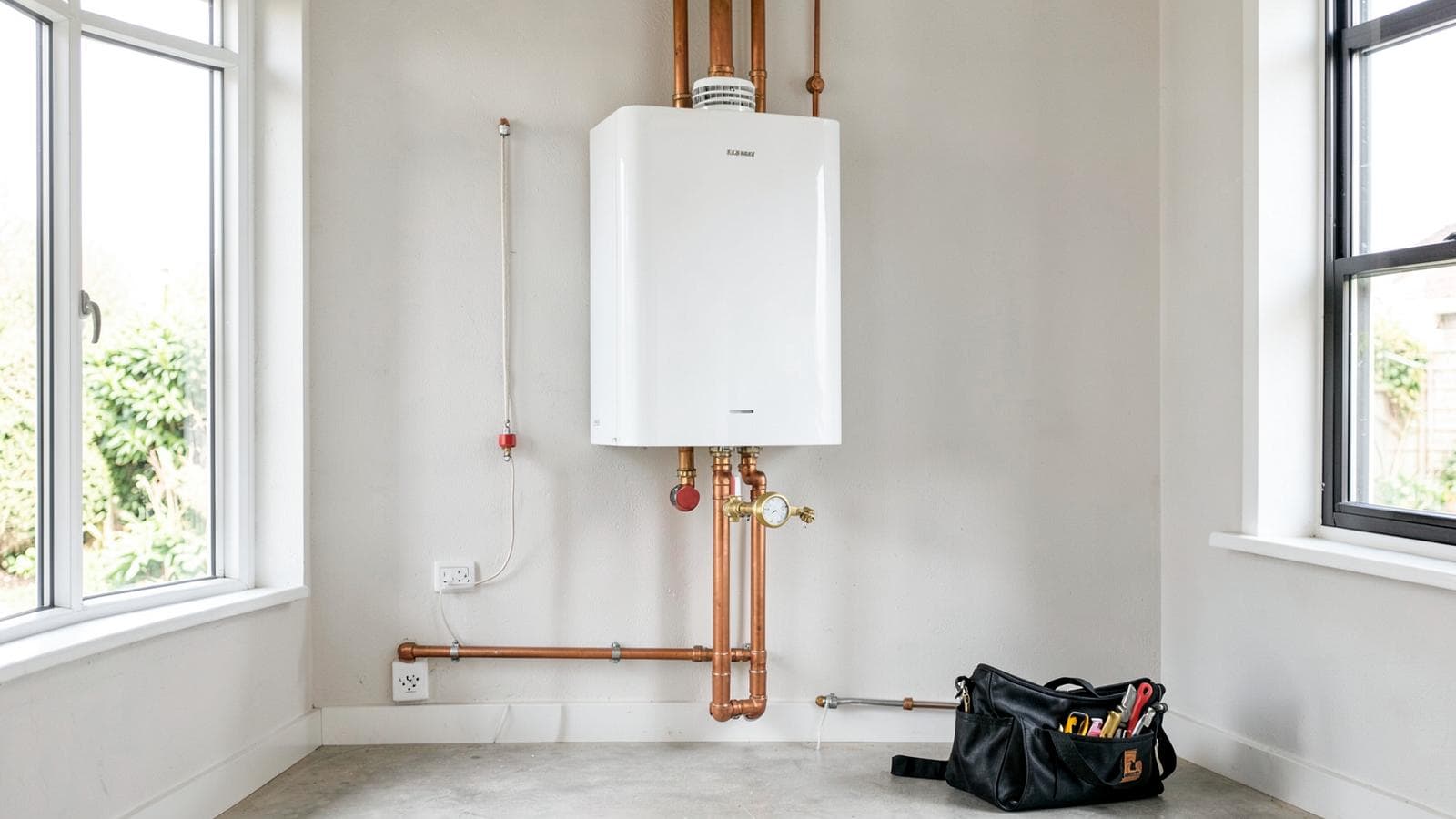
Moving the boiler to a new location, working in a tight loft space, or running a new flue through an external wall all add labour time. A straightforward like-for-like swap in an easily accessible spot is the cheapest scenario.
- Upgrading pipework sized for an old, less efficient boiler
- Extending or rerouting the flue to meet current building regulations
- Adding a magnetic filter or scale reducer, now standard practice on most new installations
- Replacing an old thermostat or controls that aren't compatible with the new boiler
Price by Brand: Worcester Bosch, Vaillant, Ideal, Baxi, Viessmann
Baxi and Ideal sit at the value end, Worcester Bosch and Vaillant in the mid-to-premium range, and Viessmann at the premium end, with warranty length varying as much within a brand's own range as it does between brands.
Across every brand, the longest warranty tiers share the same conditions: an accredited or approved installer, registration within 30 days, and an annual service that can't lapse without voiding the extended cover.
- Worcester Bosch — £2,000 to £3,500 fitted — up to 12 years through an accredited installer
- Vaillant — £1,900 to £3,200 fitted — up to 10 years through an accredited installer
- Ideal — £1,700 to £2,700 fitted — up to 12 years on premium models
- Baxi — £1,700 to £2,500 fitted — 7 years standard, 10 years with an accredited installer
- Viessmann — £2,500 to £4,000 fitted — 10 years standard, 12 years with an approved installer
The Real Cost Over 12 Years: Outright Purchase vs a Monthly Plan
Buying outright and covering 12 years of servicing comes to roughly £4,000 in total. An isnuüg plan over the same 12 years comes to roughly £8,200, so the honest comparison isn't simply about which is cheaper on paper.
isnuüg carries no upfront cost, but the monthly fee rises by 3.99% (or CPI, whichever is higher) every year under the standard 12-year contract, which changes the total significantly over that period. Full details are on the Plans & pricing page.
- Upfront: £1,700 to £6,000 outright (or £0 with 0% finance) versus £0 on a plan
- Monthly: varies by finance term versus Gold from £45.54 a month in year one
- 12-year total: roughly £4,000 outright including servicing, versus roughly £8,200 on a plan
- Ending early: owned outright with no restrictions, versus a settlement amount payable in full
Why Installation Quality Matters More Than the Headline Price
A cheap quote and an expensive one can use the exact same boiler; what differs is who installed it and what happens if something goes wrong afterwards. The Chartered Trading Standards Institute puts the cost of rogue traders to UK consumers at roughly £3.5 billion a year, and Federation of Master Builders research found more than half of households who have hired a tradesperson have encountered one.
A tradesperson paid for a one-off installation has little ongoing reason to make sure the work holds up years later. A company on a continuing service plan stays responsible for the system for as long as the customer is on it, which changes the incentive to get the installation right first time.
Hidden Costs to Budget For
Removal of the old unit, extra pipework and a power flush are the most common costs left off an initial quote, typically adding £200 to £800 in total.
- Removal and disposal of the old boiler: £50 to £150
- Additional pipework, flue extension or radiator changes: £200 to £800
- A power flush to clear sludge from an older system: £400 to £800
- Annual servicing to keep the warranty valid: £80 to £120 a year
- Emergency call-out fees outside a service visit: often 30% to 50% above standard rates
- Losing warranty cover entirely if a single annual service is missed, on most manufacturers' terms
Is It Cheaper to Repair or Replace?
According to Checkatrade, the average boiler repair in the UK costs around £300, with most jobs falling between £120 and £750 depending on the part involved. Repair is usually the better option when the boiler is under 8 years old, the fault is a single component such as a pump or valve, and the system has been serviced regularly.
The Energy Saving Trust puts the average cost of a full replacement at around £4,000, with a typical range of £1,500 to £5,000. Replacement tends to make more sense once the boiler is past 10 to 12 years old, the fault involves the heat exchanger, or repairs have become frequent enough that the running total approaches the price of a new unit.
If you're not sure which side of that line your boiler falls on, isnuüg's free system health check gives a straight answer before you commit to either option.
“If your boiler isn't working or there's a fault code on the screen, call a Gas Safe registered engineer. They'll diagnose the fault properly and tell you straight whether it's worth repairing or if a replacement is the better option.”
How isnuüg's Heating Plans Compare
Gold, Platinum and Diamond all include supply, installation, annual servicing and breakdown cover. Gold is the entry-level plan with no upfront cost. Platinum adds efficiency-focused extras aimed at lowering ongoing running costs. Diamond adds continuity of service history, so the same records and account follow the property or customer throughout the plan.
This article is provided for general guidance only. Prices are indicative UK averages based on publicly available data at the time of writing and will vary by property, installer and region. Always get a fixed, itemised quote from a Gas Safe registered engineer before committing to any installation.
Key Takeaways
- Most straightforward combi replacements cost £1,800 to £2,500 supplied and fitted.
- Installation complexity affects the final price more than the boiler unit itself.
- Extended warranties of 10 to 12 years all depend on an unbroken annual service record.
- Removal, pipework and a power flush can add £200 to £800 to a headline quote.
- Repair usually wins under 8 years old; replacement usually wins past 10 to 12 years.
- Buying outright costs roughly £4,000 over 12 years including servicing, versus roughly £8,200 on a plan with no upfront cost.
FAQ
How much does it cost to install a new boiler in the UK?
Supplied and fitted, a new boiler typically costs £1,700 to £6,000, with most straightforward combi replacements landing around £1,800 to £2,500.
Is it cheaper to get a combi boiler than a system boiler?
Usually, yes. Combi boilers don't need a separate cylinder or tank, which keeps both the unit cost and installation labour lower than system or regular boilers.
How long does a new boiler last?
Most boilers last 10 to 15 years with regular annual servicing, though this varies by brand, water quality and how consistently the system has been maintained.
Is finance available for a new boiler?
Many installers, including isnuüg, offer ways to spread the cost rather than paying upfront in full. Terms and eligibility vary by provider and are subject to status.
Do I need planning permission for a new boiler?
In almost all cases no, though the installation must comply with building regulations and be notified by a Gas Safe registered engineer. Listed buildings and some conservation areas can be an exception, particularly where a new flue is visible externally.
Is isnuüg a legitimate company to install a new boiler with?
isnuüg is Gas Safe registered and holds accreditations including CHAS Premium Plus, Constructionline Gold, and ISO 9001, 14001 and 45001. Installation comes with annual servicing and ongoing cover rather than being a one-off sale.